
Introduction
When planning or constructing a steel structure, one of the most important decisions you’ll make is selecting the right steel grade. The quality, durability, and performance of your steel structure depend heavily on the grade chosen. In Saudi Arabia and the GCC, this decision is crucial for achieving reliability, efficiency, and long-term value. For expert guidance, visit our Contact Us page or consult New Era Steel for the highest quality materials.
Understanding Steel Grades
Steel is classified into grades based on chemical composition and mechanical properties. Each serves unique construction needs:
Carbon Steel
Common and cost-effective, ideal for bridges, highways, and residential structures.

Alloy Steel
Enhanced strength and durability, used for industrial machinery and pressure vessels.
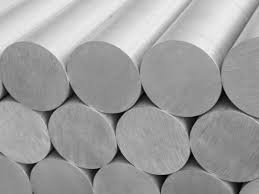
Stainless Steel
Excellent corrosion resistance, ideal for marine, chemical, and architectural applications.
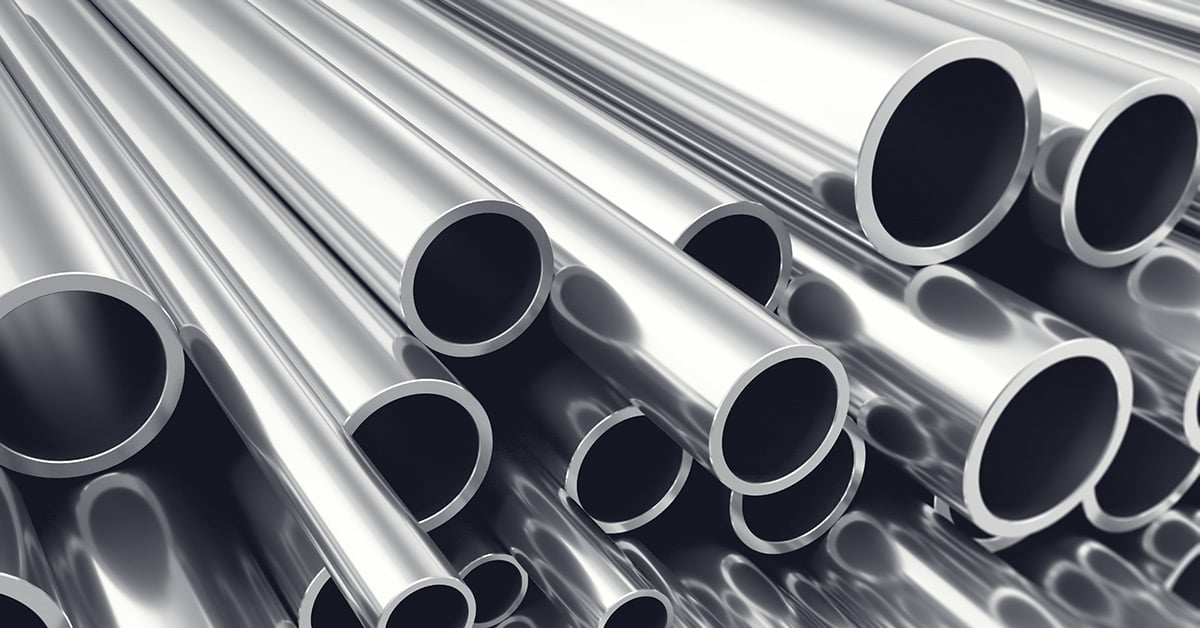
Structural Steel
High tensile strength for large-scale projects such as bridges and high-rise buildings.

Mechanical Properties of Steel
The mechanical properties determine steel performance under load:
- Tensile Strength: Resistance to breaking under tension.
- Yield Strength: Stress point where permanent deformation begins.
- Elongation: Flexibility before breaking.
- Hardness: Resistance to wear and indentation.
Common Steel Grades in Saudi Arabia
| Grade | Use |
|---|---|
| S235 (Mild Steel) | Light construction and general purposes. |
| S275 (Structural Steel) | Medium-load projects like bridges and offices. |
| S355 (High Strength Steel) | Large buildings and heavy infrastructure. |
| Stainless Steel (304, 316) | Corrosion-prone environments like marine or food industries. |
Applications of Different Steel Grades
Each grade suits specific construction needs:
- S235: Ideal for smaller structures and cost-efficient projects.
- S275: Suitable for medium-sized buildings with balanced strength.
- S355: Perfect for large infrastructure needing high tensile strength.
- Stainless Steel: Best for aesthetic or corrosive environments.
Factors Affecting Choice of Steel Grade
- Environmental Conditions: Choose corrosion-resistant steel for coastal or industrial zones.
- Structural Requirements: Match grade strength to project load and design.
- Budget: Higher grades cost more but offer long-term durability.
- Availability: Locally available grades reduce delays and costs.
- Fabrication Needs: Consider welding and shaping requirements.
Cost Implications of Steel Grades
While high-strength steel may cost more initially, it often lowers long-term maintenance costs. To see how New Era Steel helps optimize costs, check our Project Portfolio.
Conclusion
Selecting the right steel grade ensures durability, safety, and performance in your structure. For expert advice, reach out via our Contact Page or explore completed works on our Projects Page.